
民营铝熔铸行业的引领者


中文
English

13927790845朱先生
13925999972朱先生

再生铝熔炼炉烧损差 1 个点,一年少赚 470 万
作者:广东巨晨装备科技有限公司
浏览:
发表时间:2026-10-24 17:15:42







启航
再生铝熔炼炉的烧损,是老板最容易忽略、又最贵的一笔账。烧损差 1 个百分点,一条年产 2 万吨的线,一年就是 200 吨铝,按今天的铝价算,约 473 万元。
For a secondary aluminum melting furnace, burning loss is the account owners most easily overlook — and the most expensive one. A single percentage point of burning loss on a 20,000-ton-per-year line means 200 tons of aluminum, about 4.73 million yuan at today's price.
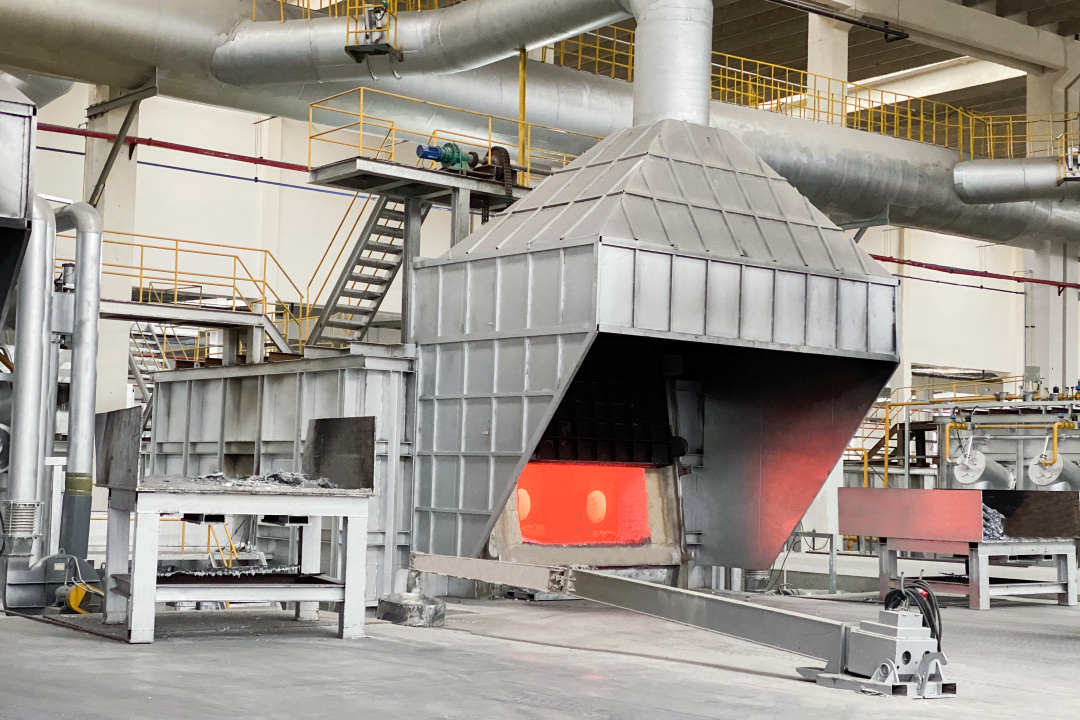
先记两个数:烧损控制得好,破碎铝能压到 2% 以内,A00 铝能压到 1.2% 以内。这两个数不是宣传值,是能写进验收、用连续三天实测均值来复核的标准。超过这个数,就要回头找原因了。
First, remember two numbers: with good control, burning loss can be kept below 2% for shredded scrap and below 1.2% for A00 aluminum. These are not marketing figures — they can be written into acceptance and verified with a three-day measured average. If you exceed them, it is time to look for the cause.
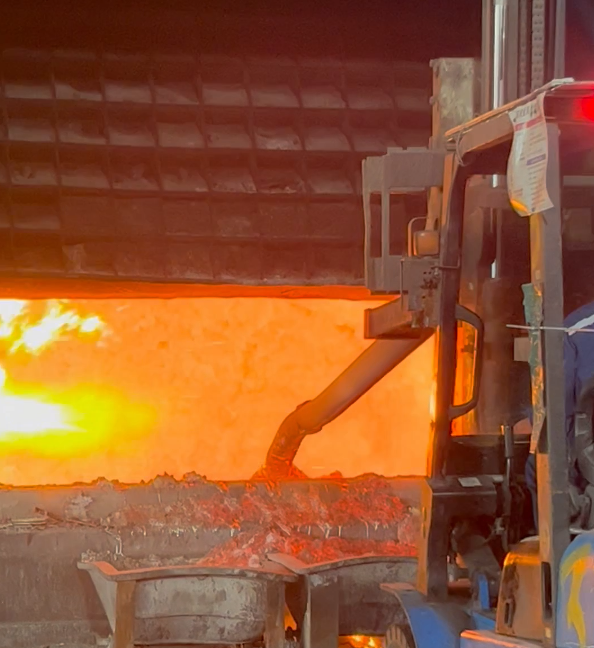
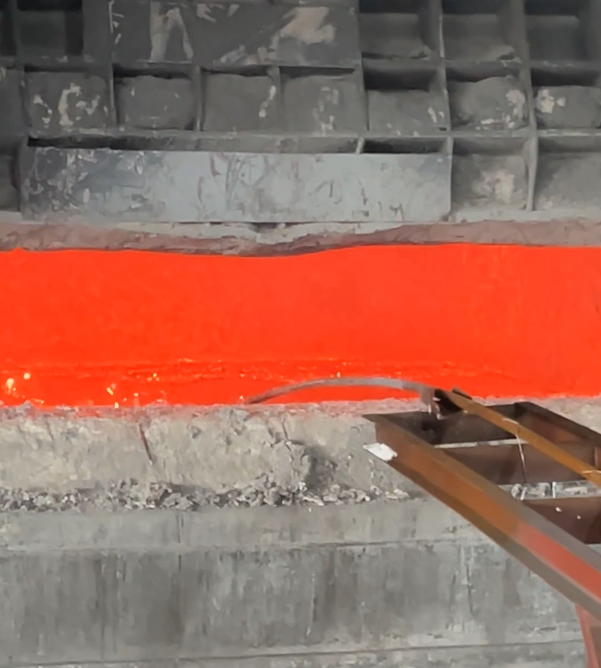
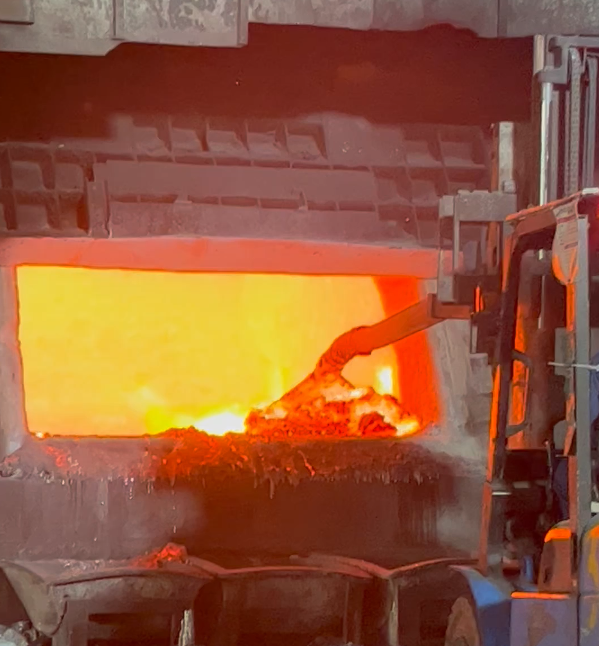
烧损高,先查三个看得见的地方:熔化温度是不是过高或忽高忽低,火焰是不是直接冲在料面上,扒渣的时候是不是连铝带渣一起往外带。这三处都是铝被白白氧化掉的口子。
If burning loss runs high, check three visible points first: whether the melting temperature is too high or unstable, whether the flame is impinging directly on the melt surface, and whether dross removal is carrying good aluminum out with the slag. These three are where aluminum gets oxidized away for nothing.
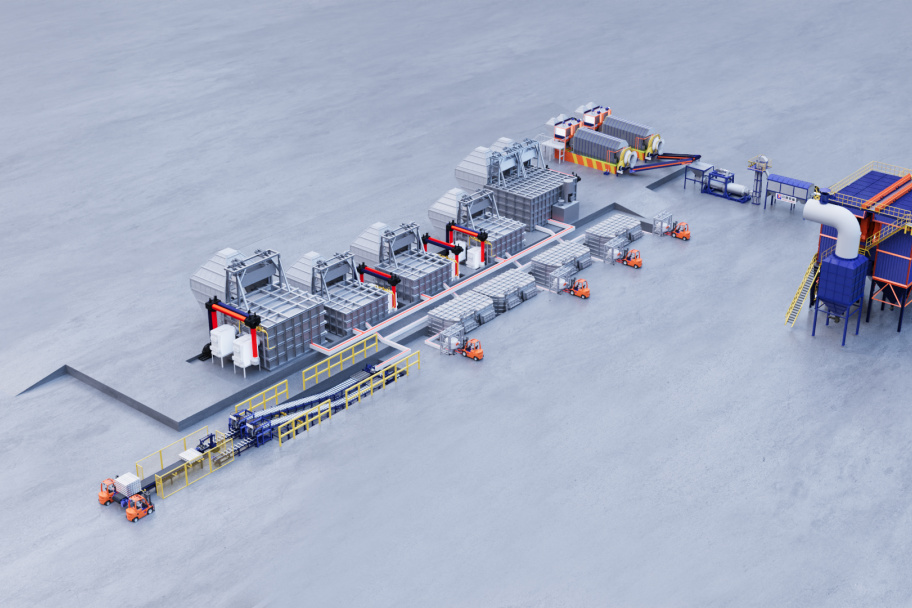
烧损和气耗是两笔账,别混着算。烧损是金属氧化掉的铝,气耗是燃料跑掉的热。炉门漏气、密封不严,那多花的是气钱;温度过高、火焰冲刷料面,那多丢的是铝。两笔都要算,但不能算成一笔。
Burning loss and gas consumption are two separate accounts. Burning loss is the aluminum oxidized away; gas consumption is the heat lost as fuel. A leaking door or poor seal costs you gas; excessive temperature or flame impingement costs you aluminum. Both must be counted, but never counted as one.
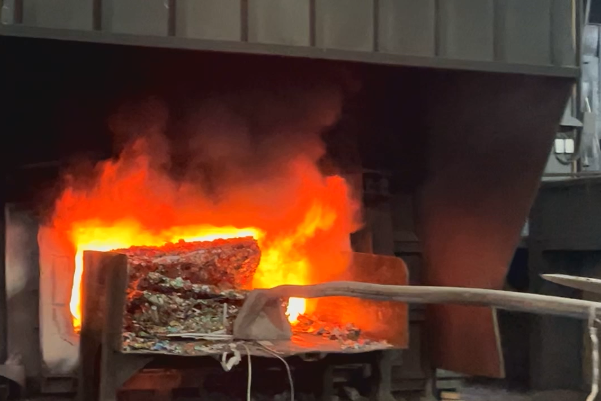
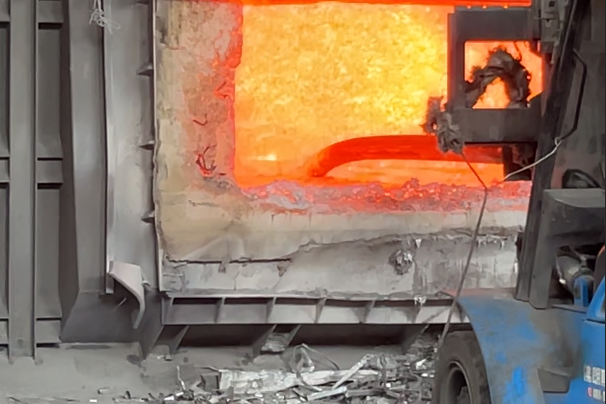
烧损不是设备的参数,是每天从炉子里往外掉的铝。先把「2% 和 1.2%」两个数记牢,选炉时你就多了一把能算账的尺子。
Burning loss is not a spec on the machine — it is aluminum slipping out of the furnace every single day. Remember "2% and 1.2%" first, and you gain a ruler to count the cost when choosing a furnace.

Q:再生铝熔炼炉烧损多少算正常?
Q:烧损和气耗是一回事吗?
Q:烧损差 1 个点,一年差多少钱?
-END-

找到我们



朱先生:13925999972
杨小姐:15014663482
周小姐:13927774245
何先生:13929125210
邮箱:teresa@jcfurnace.com

文章推荐

首页 再生铝熔炼炉 铸锭/铸棒系统 环保除尘设备 产品中心 客户案例 新闻资讯 关于巨晨 联系巨晨
广东巨晨装备科技有限公司
邮箱:fsjuchen@163.com
网址:www.juchengroup.com
地址:广东省佛山市南海区大沥镇腾龙路75号伟业国际大厦1906
分公司地址:广东省佛山市南海区盛狮路2号北园工业区
电话:13927790845
手机:13925999972
联系人:朱荣彬
暂无链接
备案号 :粤ICP备20052940号 巨晨机械设备 版权所有
